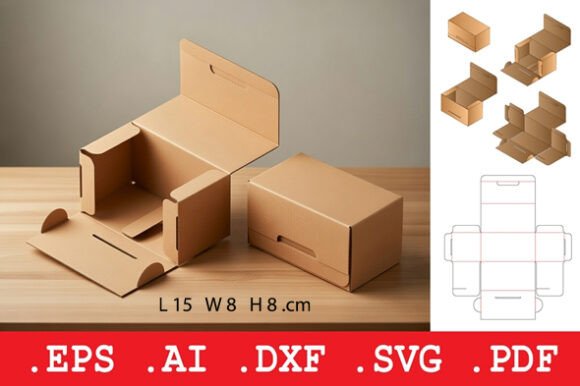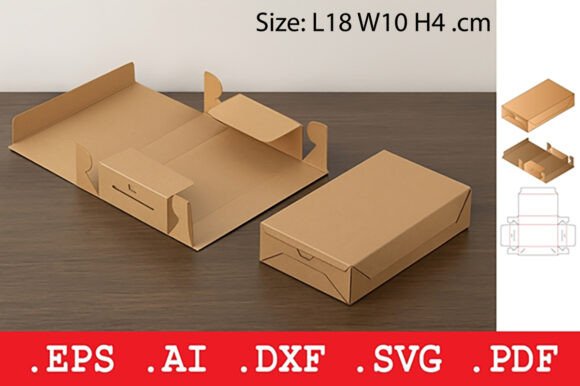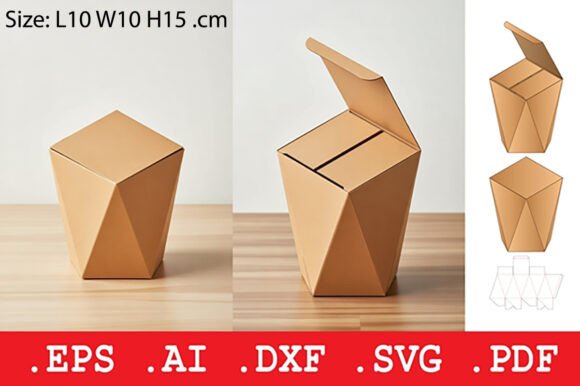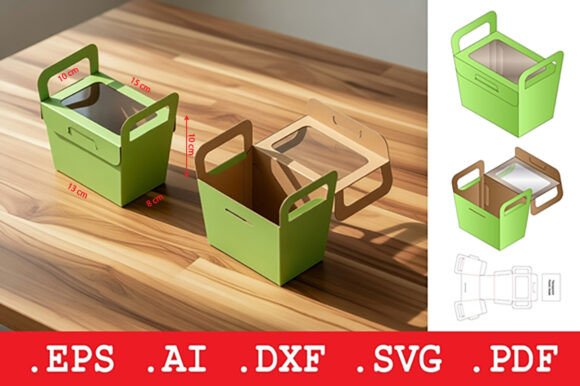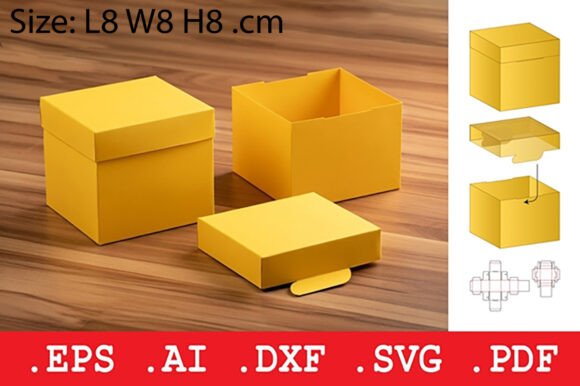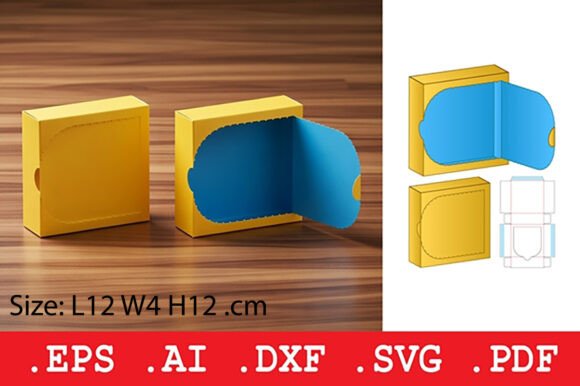
Perforated Tear Open Cardboard Box
As a designer and embroidery product reviewer, I’ve seen my fair share of packaging solutions. But the Perforated Tear Open Cardboard Box stands out for its clever design and practical appeal. It’s not just a box—it’s a statement. The built-in perforated tear strip on the front panel offers an intuitive, satisfying opening experience that feels both modern and functional. This makes it ideal for a range of embroidery projects where presentation matters.
First Impressions: A Design That Speaks to Purpose
The Perforated Tear Open Cardboard Box immediately conveys a sense of thoughtfulness. Its clean lines and minimalistic layout suggest a design meant for clarity and ease. The perforated strip isn’t just a gimmick—it’s a feature that enhances user interaction. For embroidery designers, this means the box itself could be part of a larger branding strategy, especially for handmade products or personalized gifts.
The 3D SVG format gives it a level of detail that translates well into digital mockups. Whether you're creating printable mockups for Etsy listings or preparing a commercial embroidery project, the design’s structure is clear and adaptable. It fits naturally into custom apparel, tote bags, and baby items, where the visual impact of the packaging can elevate the overall customer experience.
Real-World Use: Where It Shines and Where It Needs Care
When considering real-life embroidery situations, the Perforated Tear Open Cardboard Box works best on flat surfaces. It’s a strong fit for sweatshirts, tote bags, and pillow covers—projects where the design can be easily stitched and displayed. The perforated strip adds a unique touch that can make a finished product stand out, especially in craft fairs or boutique settings.
However, there are areas where caution is needed. If you’re working with small hoop sizes, the design might require splitting or resizing. Thin or stretchy fabrics could cause distortion if not properly stabilized. Dark fabrics may also challenge the visibility of the perforated strip, so testing thread color contrast is essential. For layered garments or curved surfaces like caps, the design might need adjustments to maintain its integrity during stitching.
Detailed corners, tiny lettering, or dense stitch areas could be problematic. The Perforated Tear Open Cardboard Box relies on precision, so any irregularities in the stitching process could affect the final look. This is especially true for applique designs or those using satin stitch and fill stitch techniques. Always test the design on scrap fabric before committing to a client project.
Visual Appeal and Customer Perception
One of the most valuable aspects of the Perforated Tear Open Cardboard Box is how it contributes to the overall visual appeal of a finished product. When used on custom apparel or embroidered patches, it adds a layer of professionalism that customers appreciate. The design’s simplicity allows it to blend seamlessly with various styles, from rustic to modern.
For small business owners and Etsy sellers, this design can enhance brand consistency. A well-presented product builds trust and increases the likelihood of repeat purchases. The perforated tear strip also adds an element of surprise and delight, which can improve buyer engagement and giftability. It’s the kind of detail that makes a handmade product feel more special.
Practical Designer Notes: What to Check Before Using
Before incorporating the Perforated Tear Open Cardboard Box into your embroidery projects, here are a few key steps to take:
- Test on scrap fabric to ensure the design stitches correctly and looks as expected.
- Check thread color contrast against the fabric to avoid blending issues.
- Review stitch density to prevent puckering or distortion, especially on delicate materials.
- Confirm hoop size to ensure the design fits comfortably without being stretched or cut off.
- Inspect small details like the perforated strip to make sure they remain visible and intact after stitching.
- Test in black and white mockups to see how the design appears without color.
- Compare light and dark fabric backgrounds to ensure the design remains legible and attractive.
- Use proper stabilizer for textured or stretchy fabrics to maintain shape and definition.
- Verify licensing if you plan to sell finished items or digital products.
These steps help ensure that the Perforated Tear Open Cardboard Box meets your expectations and delivers a high-quality result for your clients or customers.
Best Fit: Projects That Benefit From Its Unique Features
The Perforated Tear Open Cardboard Box is particularly well-suited for holiday gifts, personalized products, and boutique merchandise. It adds a touch of sophistication that can elevate a simple embroidered item into something memorable. For example, a custom embroidered tote bag with this box could become a standout piece at a craft fair or online store.
It also works well for baby items, where the clean design and easy-to-open feature can be both practical and aesthetically pleasing. For commercial embroidery projects, the design’s adaptability makes it a versatile choice that can be customized to fit different brand identities.
Final Thoughts: A Thoughtful Addition to Your Design Toolkit
The Perforated Tear Open Cardboard Box is more than just a packaging solution—it’s a design asset that can enhance the value and presentation of your work. Whether you're an embroidery designer, small shop owner, or Etsy seller, this design offers a balance of function and style that’s hard to ignore.
Its potential is vast, but success depends on careful execution. By testing, adjusting, and considering the specific needs of your project, you can make the most of this innovative design. In the right hands, the Perforated Tear Open Cardboard Box can turn a simple item into a memorable, professional, and customer-friendly product.